Tubular, flat plate or SMF: which inverter battery suits your home?
When you shop for an inverter battery, three names come up again and again: flat plate, tubular and SMF. They all store power in the same basic way, using lead and acid, but they are built differently and they ask different things of the person who owns them. Choosing well comes down to how often your power goes and how much upkeep you are willing to do.
Flat plate batteries
A flat plate battery uses pasted flat plates inside the case. It is usually the lowest-priced option and works acceptably where power cuts are short and not very frequent. The trade-off is that flat plate batteries generally do not like being drained deeply again and again, so they tend to wear out sooner if your area has long or daily outages. Like other flooded batteries, they need their water level checked and topped up with distilled water.
Tubular batteries
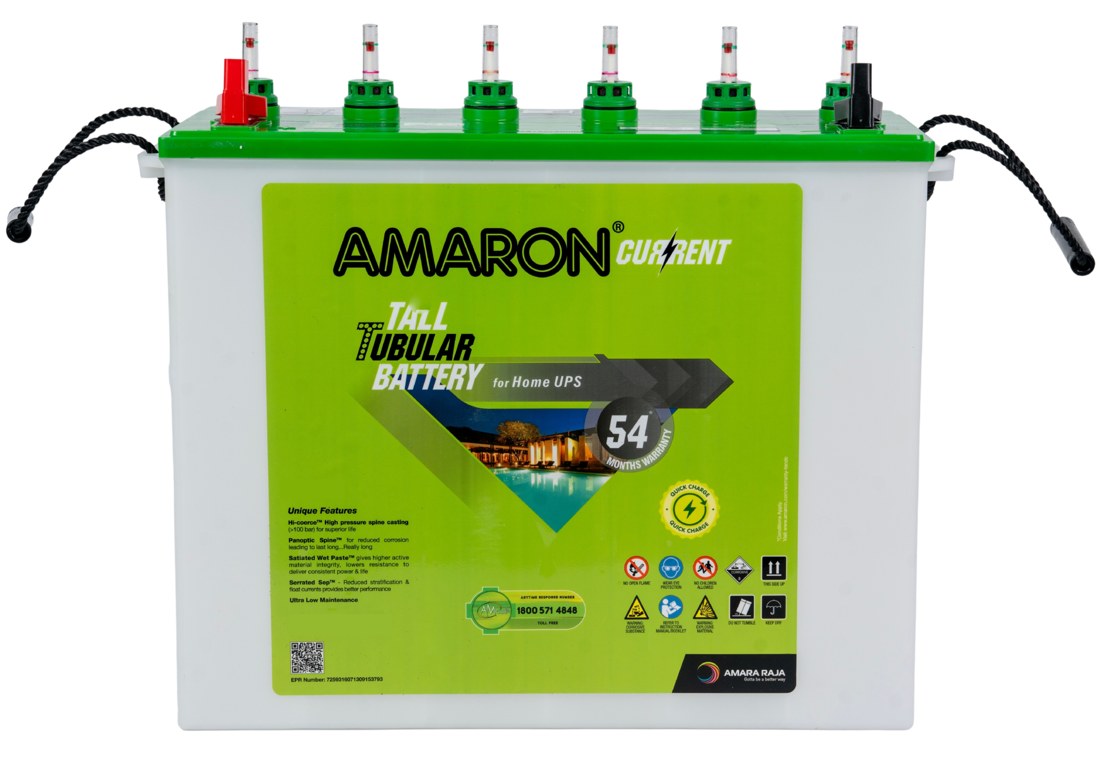
In a tubular battery the positive plates are built from tubes (called spines) that hold the active material firmly. That construction copes better with repeated deep discharge, which is why tubular batteries are the common choice for homes that see regular or long power cuts. They usually cost more than flat plate batteries, and they are also flooded, so they need periodic topping up with distilled water and a place with some ventilation.
SMF (sealed maintenance-free) batteries
An SMF battery is sealed and valve-regulated, so there is no water to top up. That makes it popular for flats, offices and shops where nobody wants to open caps and measure levels. The sealed design is convenient, but you cannot repair a neglected one by adding water, so the quality of the charging matters more. SMF batteries often cost more per unit of capacity than a comparable flooded one.
How to decide
- Short, occasional cuts, tight budget: a flat plate battery can be reasonable.
- Frequent or long cuts, and you are fine with monthly checks: tubular is the usual answer.
- You want no maintenance at all, or the battery sits in a small enclosed space: SMF fits.
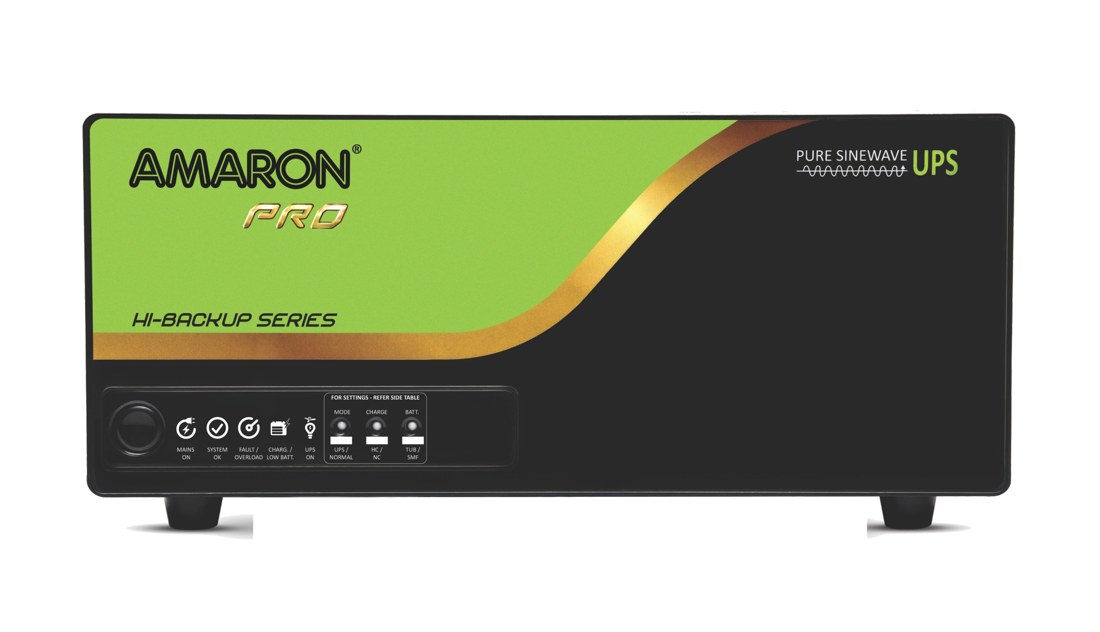
Whichever type you pick, the battery has to match the inverter. Check the inverter's battery voltage (12 V, 24 V and so on) and the recommended capacity in Ah before you buy. Our guide on sizing an inverter and battery for your home shows the arithmetic step by step.
If you are unsure, tell us what you want to run during a power cut and roughly how long the cuts last. We can suggest suitable options from the brands we deal with, and confirm price and availability when you call or message us.